Transition
Aside from the actual system design, the
most difficult logistical effort will be the transition from one system
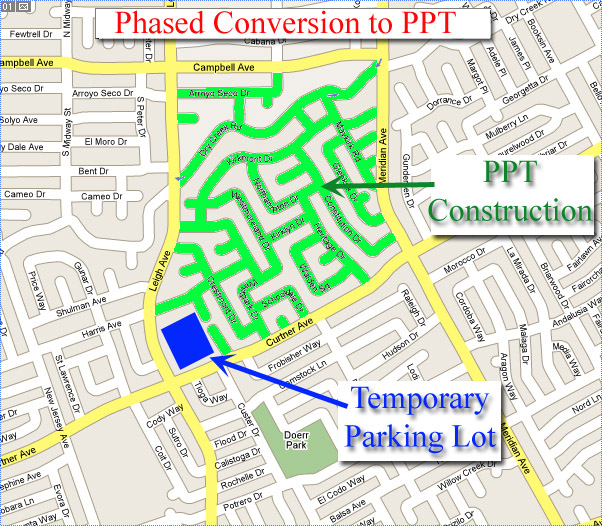
to the other. Rather than attempt to convert an entire city at
once, logical sized neighborhood zones would be converted one after
another. During the transition automobiles would be parked in
garage structures or parking lots at the perimeter of the zones. Once a zone is
completed, users would travel to their automobile via the PRT. As
more and more regions are converted to the PRT, people will gradually
lose the need for their automobile.
The last roads to convert would be the highways between
cities. Given the distances involved, it might make sense to
develop an alternative piggy-back train mechanism to cover the
greater distances more efficiently (TBD).
|
Initial Installations
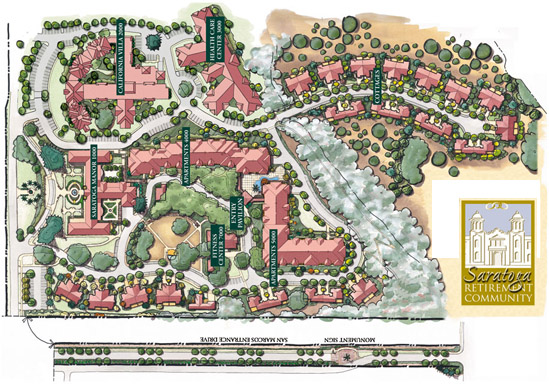
The early PRT installations would occur in
controlled environments, such as retirement communities.
This would allow for both automobiles and PRT to run
concurrently, providing a smooth transition between the two
systems.
The greater goal of the PRT system is to replace the automobile,
but this scenario minimizes the disruption to the community
while the PRT system is undergoing development and tuning.
Another good candidate for early installations
would be any isolated communities, such as islands or remote
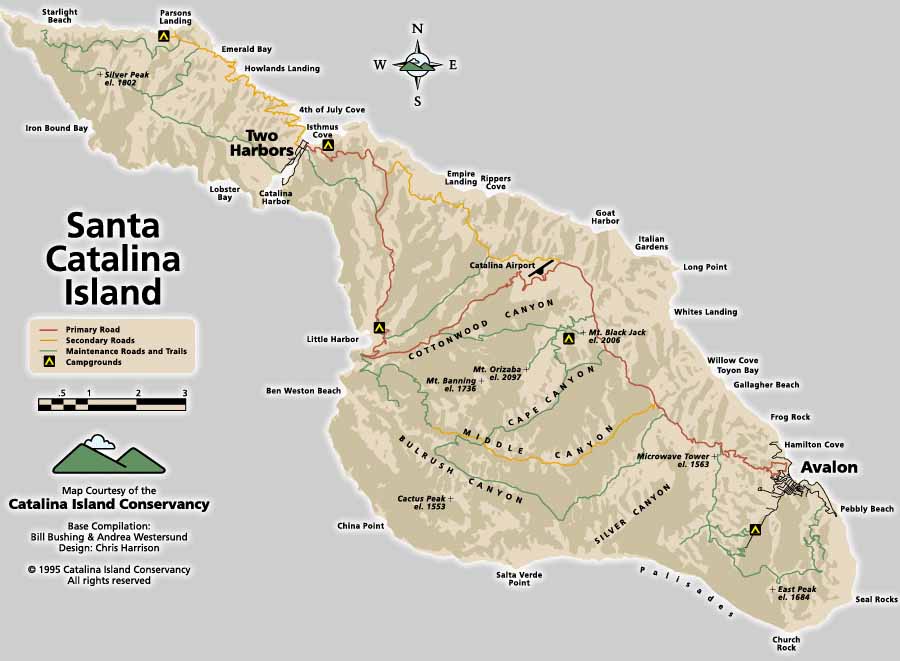
locations. A good example would
be Catalina Island, California...

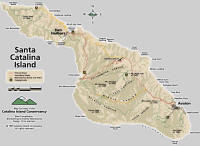
The total track length is modest
and would provide a good test of elevation and corrosive weather
conditions. If test results lead to design changes, any
incompatibility with mainland installations is less critical
since the systems are not connected.
|
|
Speed of Implementation
Crucial to a smooth transition will be the speed
of implementation. This would be accomplished through extensive
use of prefabricated sections. The process would be analogous to
how a child assembles a model railroad track.
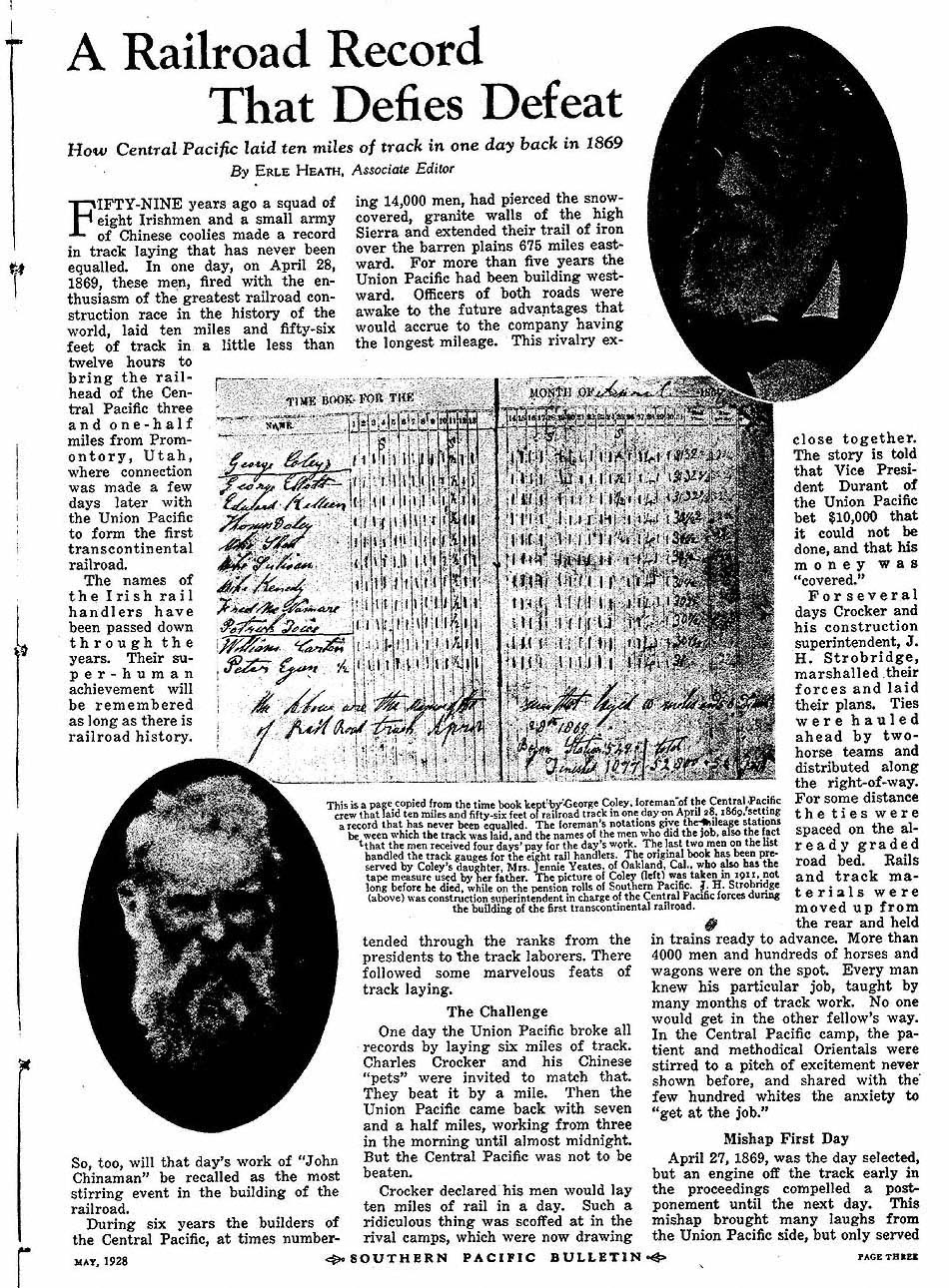
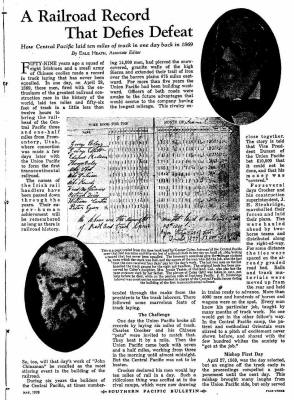
In 1869 the Central Pacific RR set a record by laying
down ten miles of rail in a single day. If a system is carefully
designed and implemented, we should be able to do at least as well as
people who managed it without the aid of modern construction equipment.
|
|
|
Still have questions? Click
here for FAQ...
|
|